
Frequently Asked Questions About Back Surgery
At Stillman Injury Law, we understand that deciding whether to undergo back surgery is a major decision. To help you navigate this process, we've answered some of the most common questions people have about back surgery and its potential outcomes.
👉 Want to Learn more about back surgery? Click Here or the picture below to visit our back surgery page.
Common Back Surgery Questions
1. When is back surgery necessary?
Back surgery is often recommended when conservative treatments like physical therapy, medications, or injections have failed to relieve chronic pain or other symptoms. It may also be necessary in cases involving spinal instability, herniated discs, or severe nerve compression. Back surgery is a solution to an problem that cannot be corrected with therapeutic treatments.
2. What are the types of back surgery?
There are several common types of back surgery, including:
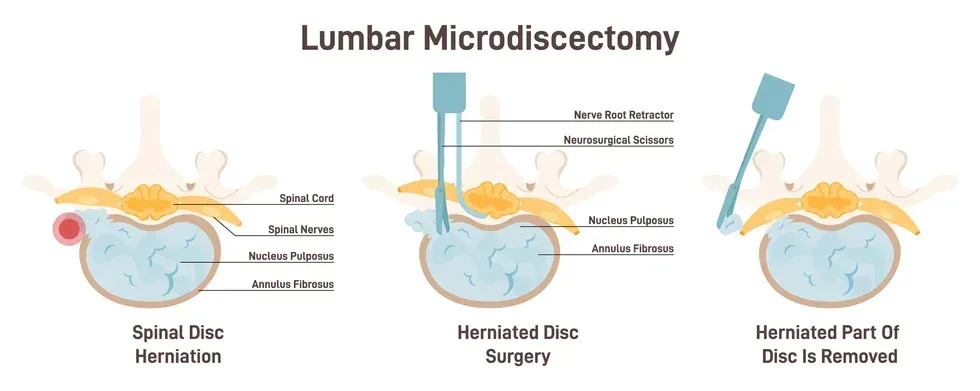
Discectomy: Removal of a portion of a herniated disc that is pressing on a nerve.
Laminectomy: Removal of part of the vertebrae to relieve spinal cord or nerve pressure.
Spinal Fusion: Joining two or more vertebrae to stabilize the spine.
Artificial Disc Replacement: Replacing a damaged disc with a prosthetic one.
3. What are the risks and benefits of back surgery?
Like any surgery, back surgery comes with certain risks, including infection, blood clots, and nerve damage. However, the benefits—such as significant pain relief, restored mobility, and improved quality of life—often outweigh these risks for patients who meet the criteria for surgery. A Board Certified Orthopedic Surgeon or Neurosurgeon can best explain the pros and cons for your particular situation.
4. How long is the recovery period?
Recovery time varies depending on the type of surgery and the individual's health condition. Most patients can expect a recovery period ranging from a few weeks to several months. Your surgeon will provide a detailed plan for your recovery, including physical therapy and activity restrictions. Everyone is different and their bodies all react differently.
5. How successful is back surgery?
Success rates for back surgery vary depending on the specific procedure and the patient's condition. For conditions like herniated discs or spinal stenosis, the success rate is generally high, with most patients experiencing significant relief from pain and improved mobility immediately after surgery. Like the recovery time every one's body is different and they all recovery differently. Some people heal faster than others. The one guarantee with surgery is that whatever was causing the problem, pain or discomfort will be fixed by a competent surgeon.
6. Where can I learn more or seek legal advice regarding back surgery after an injury?
If you've been injured and are considering back surgery, it's important to understand your legal rights. Our experienced team at Stillman Injury Law is here to help you explore your options. Mr. Stillman has represented hundreds of patients who have had back surgery. But, if is most important that you speak with the doctor performing the surgery and you are comfortable with their skills and rapport. They are they best person to educate you as their patient in the pros and cons an what is the best alternative for your injuries or situation.
👉 Want to Learn more about back surgery? CLICK HERE .
At Stillman Injury Law, we are committed to helping you through every step of your recovery journey. Whether you need legal advice after an injury or simply want to learn more about your options, we are here for you. We have help guide you and help you find the most qualified surgeons for your situation.